The Synchronization of Cryptocurrency Adoption with Blackjack Tournament Structures in Licensed Online Spaces
Morgan Powell · Nov 9, 2026
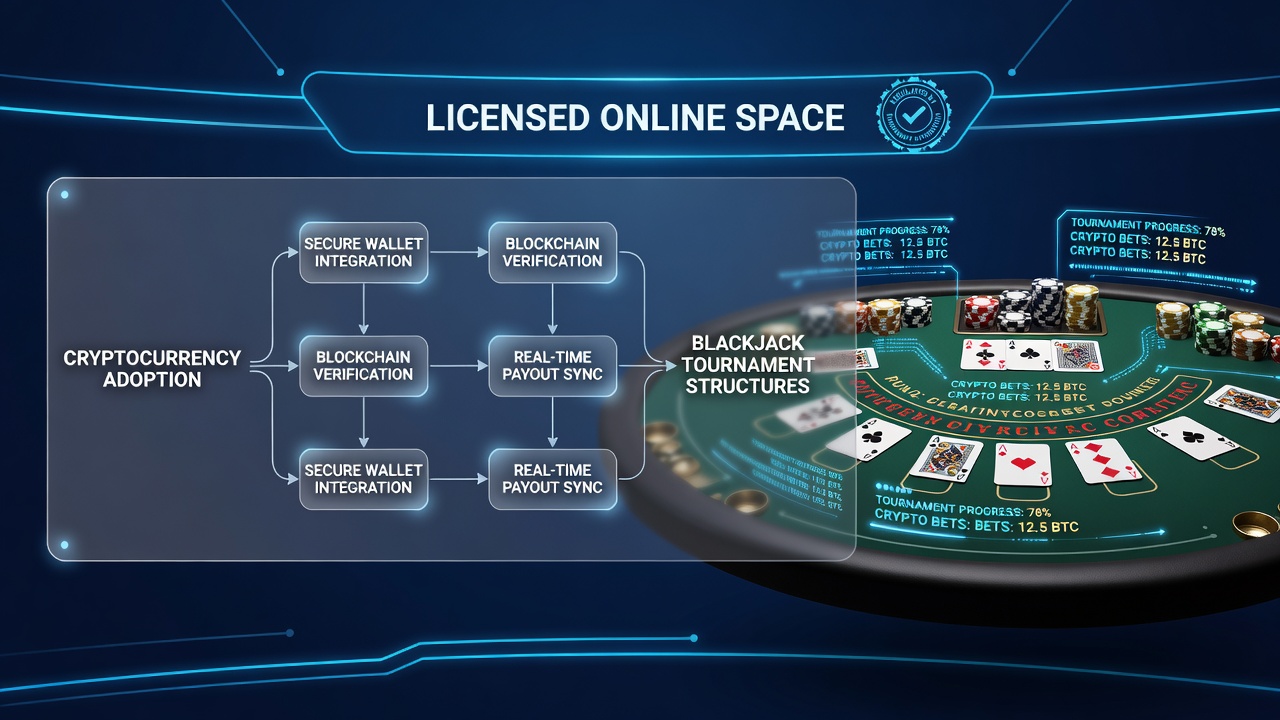
The Synchronization of Cryptocurrency Adoption with Blackjack Tournament Structures in Licensed Online Spaces
Online blackjack tournaments in licensed spaces have begun incorporating cryptocurrency systems into their core operations, and this shift aligns with broader patterns in digital asset usage across regulated gaming environments. Licensed operators in multiple jurisdictions now structure prize pools, entry fees, and payout mechanisms around blockchain networks, which creates new frameworks for participant verification and transaction recording. Data from industry reports show that transaction volumes involving digital currencies in table game tournaments rose steadily through 2025, with further acceleration noted by November 2026 as several platforms completed system upgrades.
Regulatory Frameworks Supporting Crypto Integration
Licensed operators must meet compliance standards set by bodies such as the Malta Gaming Authority and the Nevada Gaming Control Board before they can accept cryptocurrency deposits for tournament entries. These authorities require proof of secure wallet integration and transparent ledger tracking, which ensures that all participant funds remain auditable. In Canada, provincial regulators have issued guidance that permits blockchain-based prize distribution provided operators maintain detailed records of every transfer. Such rules have encouraged developers to build tournament software that records each round result on a distributed ledger, reducing disputes over scoring and payouts.
Operators that synchronize these elements report fewer processing delays during multi-round events, since crypto transfers settle faster than many traditional banking rails. Figures released by the European Gaming and Betting Association indicate that average settlement times for tournament prizes dropped from several days to under four hours in platforms that adopted stablecoin options.
Technical Alignment Between Tournament Formats and Blockchain Systems
Blackjack tournament structures typically feature fixed entry periods, blind levels, and elimination brackets. When cryptocurrency layers are added, smart contracts can automate bracket advancement once on-chain conditions are met, such as confirmed payment or verified hand outcomes. This synchronization allows organizers to run events with larger participant pools because manual reconciliation steps are minimized. One platform that introduced this model in early 2026 recorded a 38 percent increase in registered players compared with the previous year’s fiat-only tournaments.
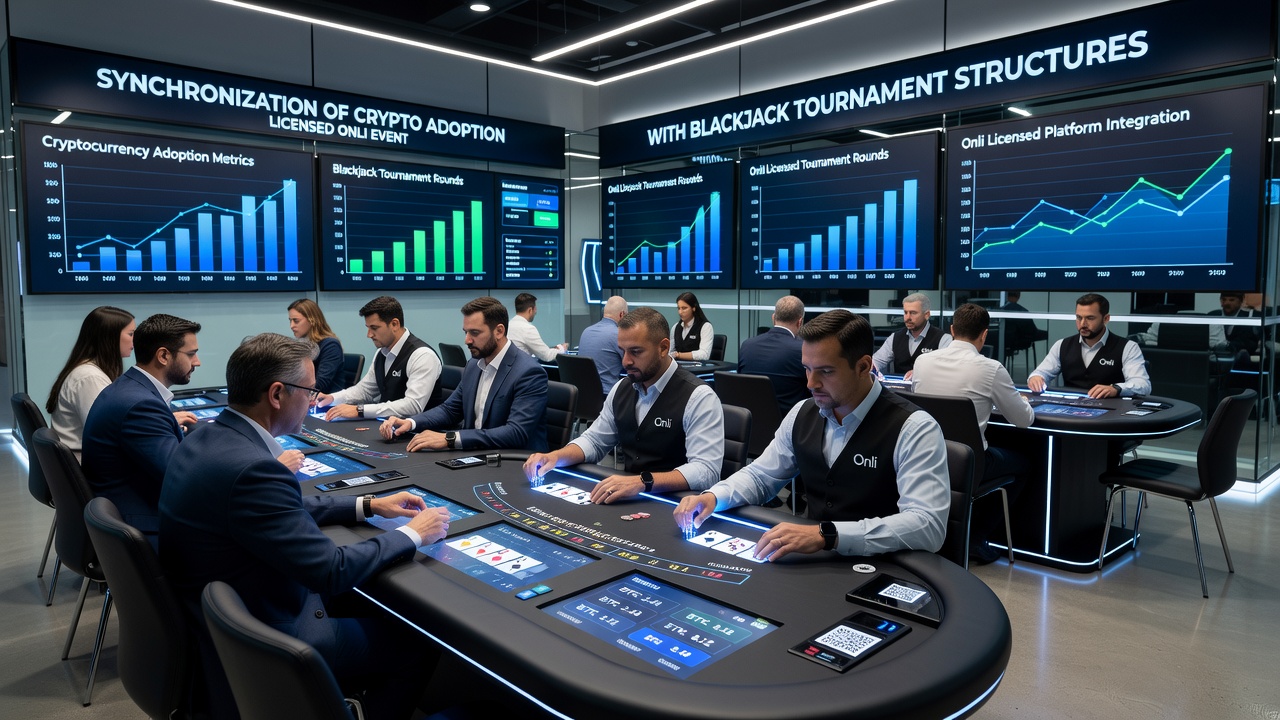
Observers note that wallet connectivity features now appear inside tournament lobbies, where players select their preferred digital asset before the first hand is dealt. These interfaces pull real-time exchange rates so that entry fees remain consistent regardless of short-term price fluctuations. Research published by the University of Nevada, Las Vegas Center for Gaming Research highlights that such rate-locking mechanisms have improved player retention across multi-day events.
Regional Patterns in Adoption Rates
European licensed markets show higher rates of crypto tournament participation than many North American counterparts, partly because several member states updated their remote gaming directives in 2024 to include digital asset provisions. In contrast, Australian operators have proceeded more cautiously, with only a handful of state-licensed sites offering crypto blackjack brackets as of November 2026. Data compiled by the Australian Communications and Media Authority reveal that those sites processing crypto transactions still route final prize conversions through approved banking partners to satisfy local financial reporting rules.
North American platforms operating under tribal compacts have tested hybrid models that accept cryptocurrency for entry while converting winnings to fiat before disbursement. This approach satisfies certain state banking restrictions while still capturing the speed advantages of blockchain confirmation for registration and scoring phases.
Security and Transparency Measures
Because tournament outcomes affect prize allocation, operators embed additional verification layers such as multi-signature wallet approvals and periodic ledger audits. Independent firms conduct these reviews to confirm that no single party can alter recorded results after a round concludes. Platforms that publish these audit summaries have observed higher trust metrics in player surveys conducted by third-party research groups.
Encryption standards for wallet keys have also evolved in tandem with tournament software updates. Many systems now require hardware security modules that store private keys offline, limiting exposure during live events that span several hours or days.
Conclusion
The synchronization of cryptocurrency adoption with blackjack tournament structures continues to develop within licensed online spaces as regulatory clarity increases and technical tools mature. Jurisdictions that maintain clear guidelines on digital asset handling have seen measurable growth in structured events, while others advance more slowly through pilot programs. Continued monitoring of transaction data and compliance reports will show how these systems expand or adjust in the coming years.