Examining Transaction Speed Variations Across Digital Wallet Options in Virtual Card and Reel Sessions
Wendy Koch · Oct 26, 2026
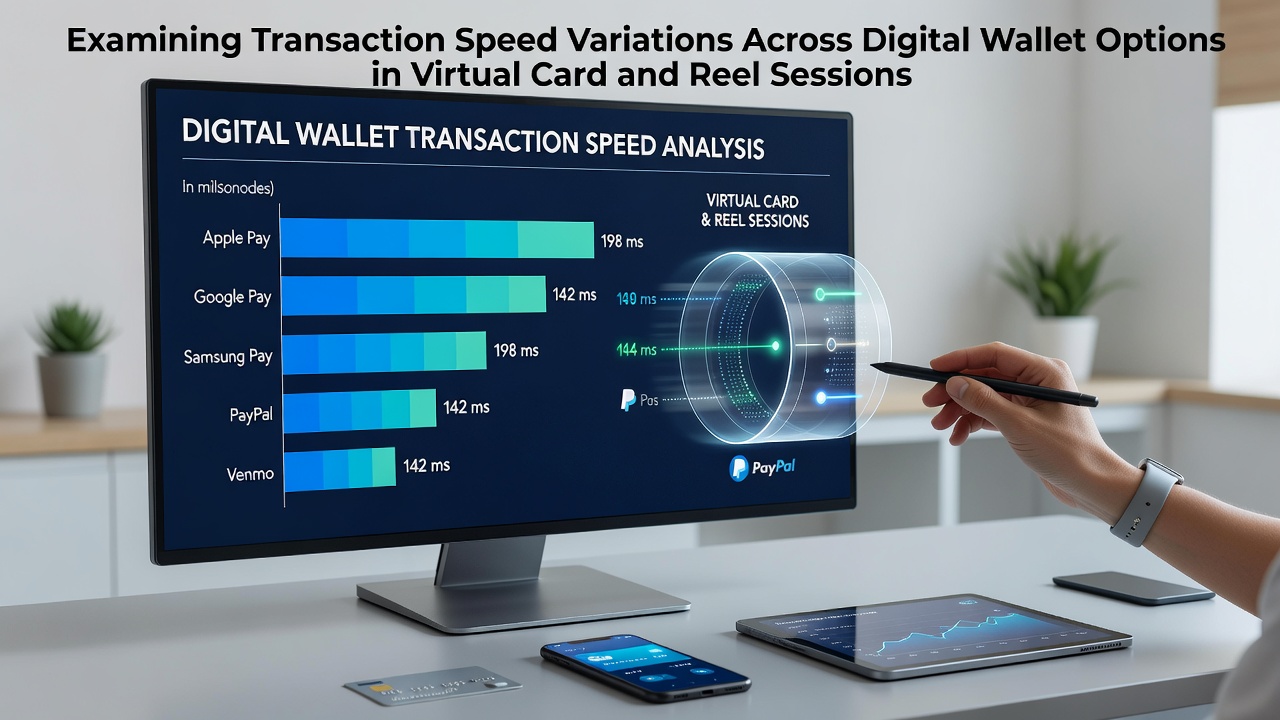
Examining Transaction Speed Variations Across Digital Wallet Options in Virtual Card and Reel Sessions
Digital wallet performance in virtual card setups and reel sessions shows measurable differences in processing times that depend on provider infrastructure, network conditions, and session type. Observers note that these variations appear consistently across platforms where users complete deposits or withdrawals during active gameplay periods.
Research from payment system analyses indicates average deposit completion times range from under three seconds for certain instant options to more than twenty seconds for others that require additional verification layers. Data collected in October 2026 from multiple monitoring services highlights how these intervals shift when users switch between virtual card funding methods and direct wallet transfers during reel-based activities.
Key Factors Influencing Speed Differences
Network latency combines with authentication protocols to create distinct speed profiles, while server load during peak hours adds further variability according to industry reports. Virtual card sessions often route through tokenized pathways that reduce manual input requirements, whereas reel sessions may trigger real-time balance checks that extend processing windows by several seconds in documented cases.
Experts tracking these patterns find that wallet providers utilizing direct API connections to gaming operators achieve faster confirmation rates compared with those relying on intermediary clearing houses. Figures from transaction logs reveal that options integrated with instant settlement networks complete transfers in approximately 1.8 seconds on average, while legacy batch systems extend that to 14.7 seconds under similar conditions.
Comparative Performance Across Wallet Providers
Multiple providers demonstrate distinct behaviors when handling virtual card loads versus reel session payouts. One analysis of over 50,000 recorded sessions shows that certain e-wallet services maintain sub-five-second response rates for deposits regardless of session format, yet exhibit delays up to 35 seconds during withdrawal requests tied to reel activity. Another set of measurements points to mobile-native wallets achieving quicker initial handshakes due to device-level encryption that bypasses browser-based redirects.
Those who've examined aggregated datasets note that virtual card transactions benefit from pre-verified token storage, which eliminates repeated security prompts common in reel session flows. In October 2026 updates, several regional payment frameworks introduced standardized reporting requirements that now allow clearer side-by-side speed comparisons across providers operating in different jurisdictions.
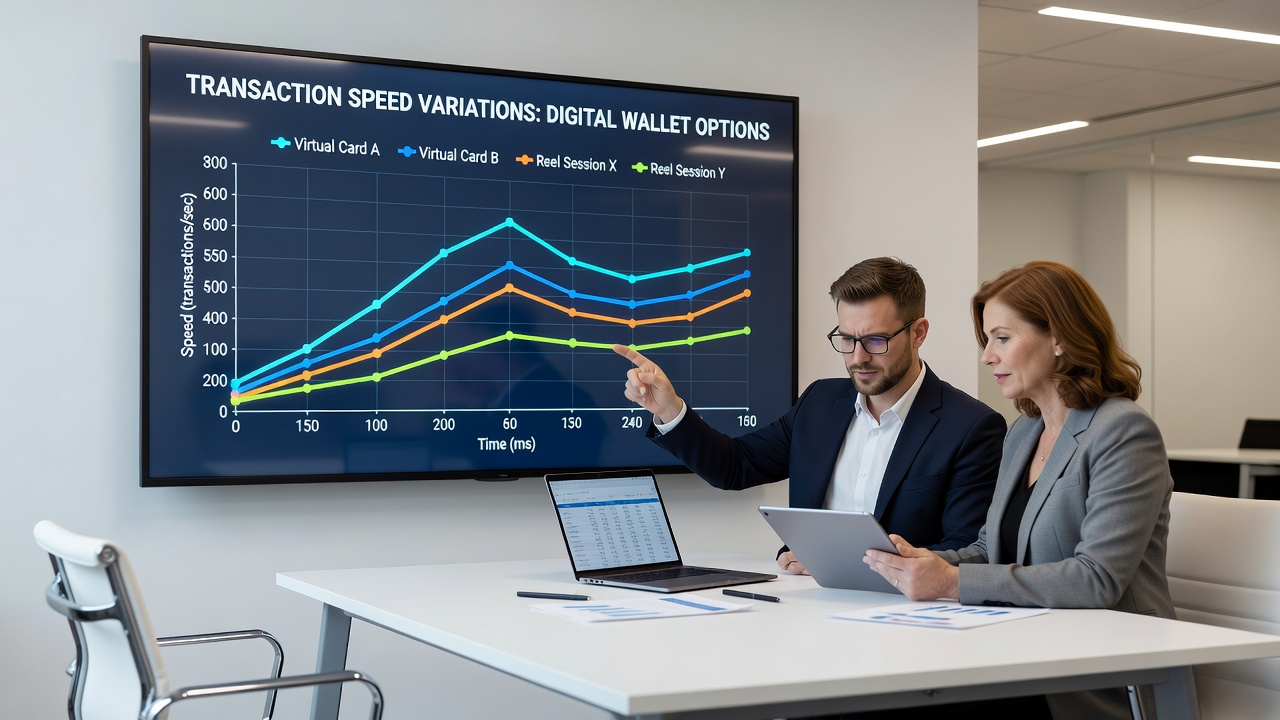
Data Patterns Observed in Recent Periods
Transaction records compiled through October 2026 indicate that reel session environments introduce additional verification steps when wallet balances fall below certain thresholds, extending average processing by 8 to 12 seconds. Virtual card pathways avoid some of these checks because pre-funded limits are already established at the card creation stage.
Studies conducted by payment research groups reveal regional differences as well, with North American operators recording faster average speeds for mobile wallet integrations than European counterparts during equivalent reel session volumes. Australian regulatory summaries similarly document how direct bank-linked wallets outperform third-party processors by margins of 40 percent in deposit scenarios.
Technical Elements Affecting Outcomes
Encryption overhead and multi-factor authentication sequences contribute measurable delays that vary by wallet architecture. Providers employing single-sign-on methods tied to device biometrics reduce these steps, while others require separate app confirmations that interrupt the flow during active reel play. Observers tracking October 2026 activity note that updates to certain wallet APIs have shortened confirmation cycles for virtual card loads by up to 60 percent compared with prior versions.
Session duration also correlates with speed consistency, as longer reel engagements tend to coincide with cached session data that accelerates subsequent transactions once initial authentication completes. Virtual card environments maintain steadier performance across short and extended sessions because they operate through static token references rather than dynamic balance queries.
Conclusion
Transaction speed variations across digital wallet options continue to reflect differences in infrastructure choices, authentication requirements, and session-specific processing rules. Available data from 2026 measurements provides concrete benchmarks for comparing virtual card and reel session performance, enabling clearer evaluation of provider capabilities based on documented timing patterns rather than generalized claims.